Book your Dumfries MOT & Service
Make:
Model:
Year:
Year:
Not You? Click to reset
Reg Number not found. Please double check your entry.

Call us on:
01387 440 450
Make:
Model:
Year:
Expiry:
Not You? Click to reset
Reg Number not found. Please double check your entry.
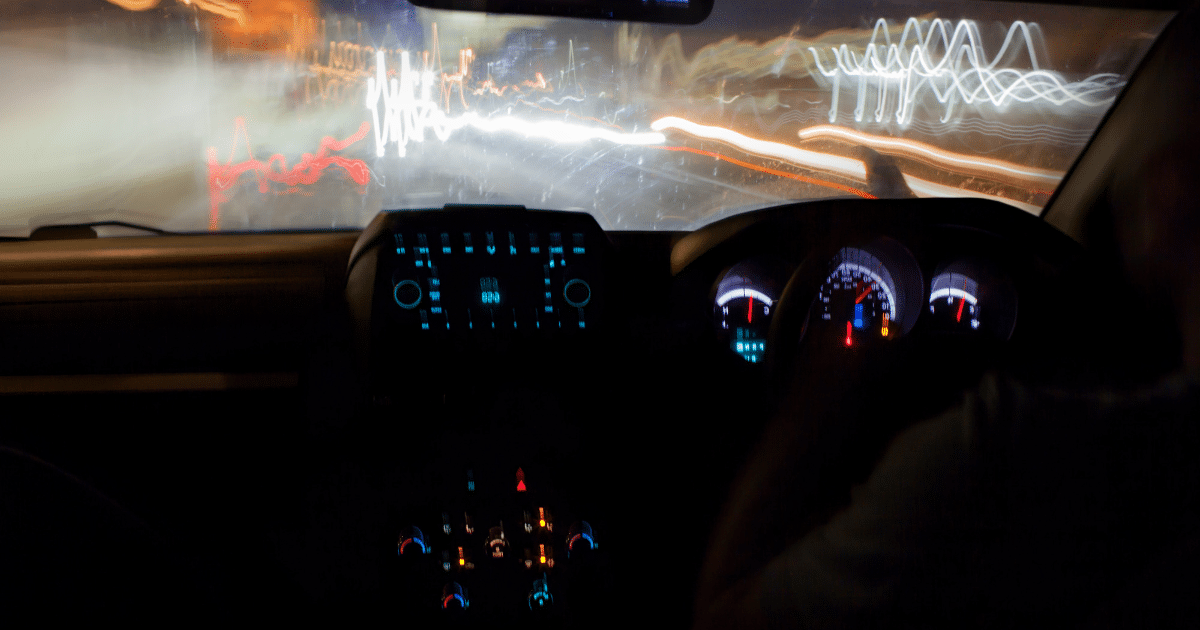
You know how it feels when a new light switches on and renews your interest in your dashboard. Especially if it’s red, you get that slight panic, doubly so if you restart the car and hope against hope that will cure it, but it doesn’t.
At Dumfries MOT Centre, we know a thing or two about dashboards and that many cars are packed with technology designed to keep you safe, improve performance and alert you when something is off.
Dashboard warning lights are meant to be reassuring, not cause anxiety and confusion, is the first point we wish to make, and it’s true that some are merely reminders that routine maintenance is due.
Others, however, indicate a fault that requires immediate attention. Knowing the difference could help you avoid costly repairs and keep your driving as safe as possible.
Here’s a guide to some of the most common dashboard warning lights and what they mean.
Before we dive into what the individual warning lights mean, let’s take you through the colour coding used by most vehicle manufacturers.
You should always consult your manual for the complete and accurate lowdown.
Green or Blue lights can tell you that everything is tickety-boo and operating as it should be, like headlights or cruise control.
Amber or Yellow often send you a shot across the bow. A warning that there’s something not right that should be checked as soon as possible before things worsen.
Red lights usually spell danger. A serious issue that requires immediate action. Just to be on the safe side, you should stop driving as soon as it’s safe to do so and investigate the problem further or contact us on 01387 440 450.
This one often resembles the outline of an engine and can indicate lots of issues, from a fuel cap that you’ve driven off and left open at the pumps, to more serious problems affecting the engine, emissions or fuel system.
An amber light tells you that you should get it to a garage ASAP.
If the light is flashing and there’s a loss of power, strange noises or even smoke, you should stop driving and seek assistance immediately.
This warning light is shaped like an old-fashioned oil can, and here we have one red warning light you should never ignore.
Low oil pressure means your engine is starved of lubrication, and this could potentially damage your engine.
If you’re not confident in checking the oil level once the engine has cooled, we can investigate this for you.
The battery warning light doesn’t always mean your battery is flat.
More commonly, it indicates a charging system issue, and be something to do with the alternator, drive belt, battery or electrical connections.
Your engine could run for a wee while using the battery alone, but once the battery is done, the engine could stop. Again, book your vehicle in with us as soon as possible.
A red brake warning light warrants immediate attention. Firstly, ensure that the handbrake is not on. If it’s not, then you should have us check it out before you continue driving. It could be a sign of low brake fluid or a fault within the braking system.
The ABS (Anti-lock Braking System) warning light is often amber.
You should still find that your standard brakes work fine, but that the anti-lock braking function is disabled. This can erode your ability to maintain steering control during heavy braking, particularly on wet or icy roads.
It’s a good idea to have the system checked by us as soon as you can.
This warning light looks like an exclamation mark in a horseshoe.
Illuminated, one or more tyres could be under-inflated, and driving with incorrect tyre pressures can affect handling, fuel economy and tyre wear.
If you inflate them (once they’re cold) and the warning light remains lit, you may have a slow puncture or a fault with the monitoring system.
We can check your tyre pressure and inflate them to the manufacturer’s recommended levels.
This is a thermometer floating on wavy lines. When red, you might have an overheated engine on your hands.
Pull over safely as soon as you can and switch off your engine. Never remove the coolant cap while the engine is hot. Coolant is pressurised and potentially dangerous.
Overheating can quickly lead to expensive engine damage if ignored. Again, this is something that our local Dumfries mechanics can help you with.
An illuminated airbag warning light suggests a faulty airbag or seatbelt pretensioner system.
The airbags might not deploy correctly in the case of a collision, so it’s important to have the system checked by us pronto.
If you drive a diesel, you should know about the DPF warning light.
It can indicate a soot-clogged filter, and, sometimes, a longer drive can allow the filter to regenerate.
If the warning light remains on or is accompanied by reduced performance, the system should be inspected.
The power steering warning light usually accompanies heavier-than-normal steering.
Low power steering fluid can be the cause in older vehicles or an electrical fault in cars fitted with electric power steering.
Although you may still be able to steer, it will require more effort, especially at lower speeds.
We all hope a warning light will disappear on its own, but ignoring it could turn a relatively minor issue into an expensive repair.
Many faults can be diagnosed quickly using our specialist diagnostic equipment, and if you’re ever unsure what a dashboard warning light means, it’s always better to seek professional advice from Dumfries MOT Centre rather than chance things to luck and take unnecessary risks.
Regular servicing and routine vehicle checks are the best way to prevent many dashboard warning lights from appearing in the first place. Checking your oil, coolant, tyre pressures, and brake fluid takes just a few minutes but can help avoid unexpected breakdowns and costly repairs.
If a warning light appears on your dashboard and you’re not sure what it means, don’t leave it to chance. A qualified technician can diagnose the issue, explain what’s causing the warning and recommend the most appropriate repair, giving you confidence that your vehicle is safe, reliable and ready for the road ahead.
Sources: